
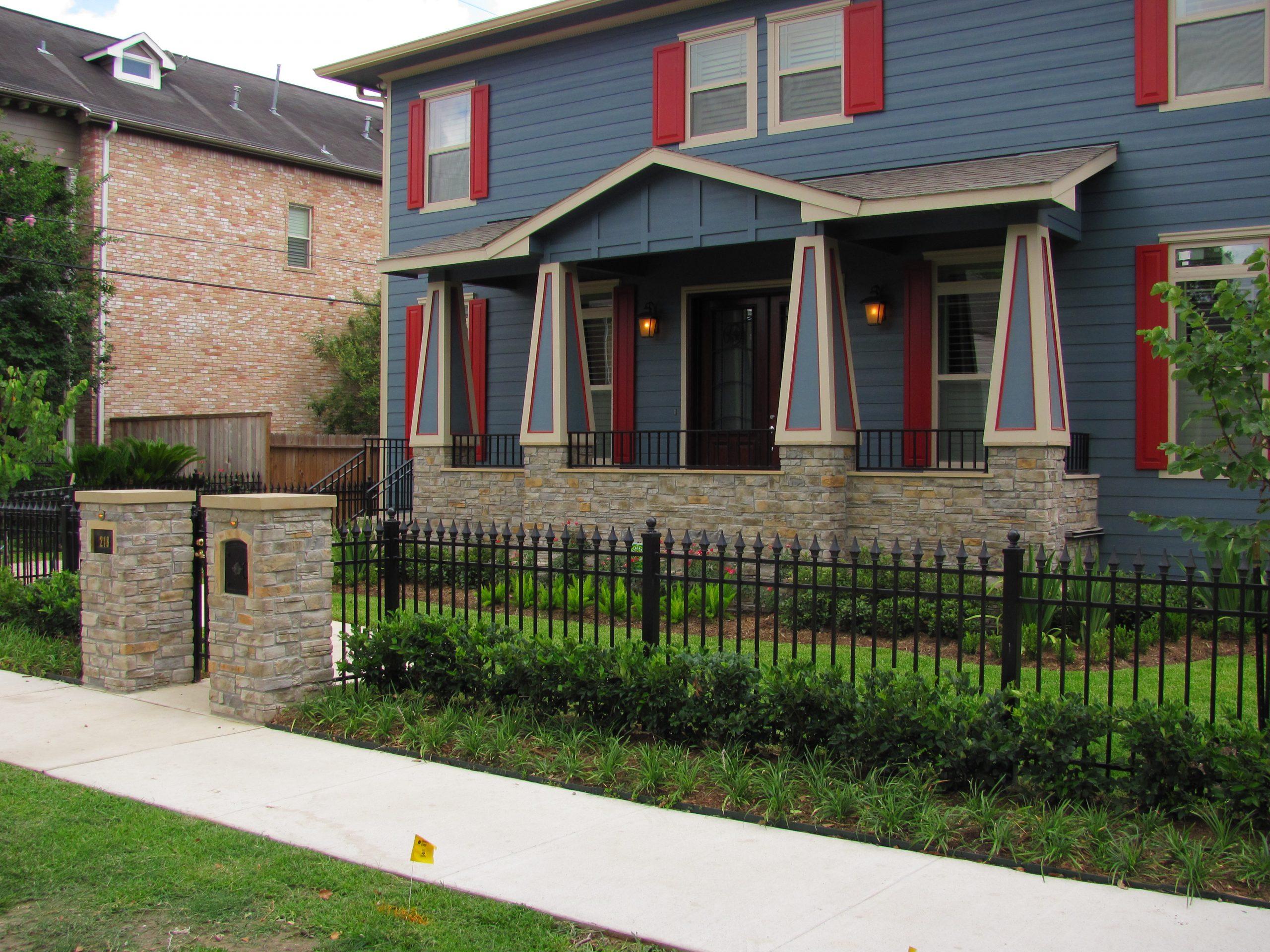
Houston winters may be mild compared with other parts of the country. However, sudden cold fronts and occasional freezes can still affect lawns, plants, trees, and irrigation systems. Preparing your property before colder weather arrives can help reduce damage and keep your landscape looking its best.
At JMAS Landscaping, we help homeowners throughout Katy, Fulshear, Richmond, and West Houston care for and improve their outdoor spaces. If you’re wondering how to prepare your yard for winter in Houston, focus on the areas most affected by seasonal changes.
Here are some important steps to consider before temperatures begin to drop.
1. Clean Up Your Landscape Before Winter
Start by giving your property a general cleanup. Remove fallen branches, excessive leaves, weeds, and other debris from lawns and planting areas. This immediately gives the landscape a cleaner appearance and makes it easier to identify areas that need attention.
While cleaning flower beds, look at the condition of your plants. Some may have become overcrowded during the growing season, while others may be struggling in their current locations. Additionally, check for damaged branches or plants that may need attention before colder weather arrives.
Winter preparation is also a good opportunity to evaluate the overall landscape. If certain areas consistently struggle, make note of them for future improvements.
2. Prepare Your Lawn for Cooler Weather
Houston lawns respond differently to winter depending on the type of grass and weather conditions. As temperatures cool, warm-season grasses typically slow their growth and may eventually enter dormancy.
Because growth slows, your lawn’s needs will change. Mowing frequency may decrease, and watering should be adjusted based on weather and soil conditions. Continuing a summer watering schedule through cooler weather may provide more water than the lawn actually needs.
Also, pay attention to areas that struggled throughout the year. Thin grass may be related to shade, drainage, irrigation coverage, or other growing conditions. Identifying the cause now can help you make better decisions when the lawn begins actively growing again.
3. Evaluate Trees & Shrubs
Trees and shrubs are an important part of your landscape throughout the year. Before winter, inspect them for damaged, dead, or problematic branches that may need attention.
Certain trees and shrubs may benefit from seasonal pruning. However, pruning requirements vary by plant, so timing and technique are important. Heavy pruning at the wrong time can affect future growth or flowering.
This is also a good opportunity to evaluate plant size and placement. Shrubs may have grown too close to walkways, windows, or neighboring plants. Meanwhile, mature trees may have changed the amount of sunlight reaching the landscape below them.
Addressing these conditions can improve the appearance of your property and help you plan for the next growing season.
4. Refresh Mulch Around Planting Areas
Mulch does more than give flower beds a finished appearance. It can also help conserve soil moisture and provide some insulation around plant roots when temperatures fluctuate.
Before winter, check whether existing mulch has become thin or deteriorated. Adding a fresh layer where needed can improve the appearance of the beds while providing additional protection for the soil.
However, more mulch isn’t always better. Avoid piling it heavily against tree trunks or directly around plant stems. A properly installed layer should cover the soil while leaving appropriate space around the base of plants and trees.
5. Prepare Sensitive Plants for Freezing Weather
Houston’s mild winter temperatures can change quickly. When a freeze is forecast, sensitive plants may need additional protection.
Cold-sensitive plants can sometimes benefit from being covered before temperatures fall. When covering plants, the goal is to help retain warmth from the ground rather than simply wrapping the foliage. Container plants may also need to be moved into a more protected location when possible.
Additionally, pay attention to weather forecasts throughout winter instead of assuming one round of preparation will last the entire season. Houston can experience warm conditions followed by a sudden cold front.
If the same plants suffer significant freeze damage year after year, consider whether hardier alternatives would be better suited to those areas.
6. Adjust Your Irrigation for Winter
Your landscape usually doesn’t need the same watering schedule in winter that it requires during Houston’s hottest months.
As temperatures cool and plant growth slows, review your irrigation schedule and adjust it according to current conditions. Rainfall should also be considered before running the system.
At the same time, inspect sprinkler heads and other visible components for leaks, damage, or poor coverage. If your landscaping changed during the year, some zones may also need adjustments.
When freezing temperatures are expected, follow appropriate precautions for your particular irrigation system. Avoid running sprinklers during freezing conditions, since water can freeze on plants, lawns, walkways, and other surfaces.
7. Watch for Winter Drainage Problems
Cooler weather doesn’t eliminate Houston’s potential for heavy rainfall. In fact, significant rain can provide a useful opportunity to see how well your property drains.
After rainfall, look for areas where water remains longer than expected. Pay particular attention to low areas, planting beds, patios, and locations near the foundation. Erosion or concentrated runoff can also indicate that water isn’t moving through the property effectively.
If you’re planning landscaping or hardscaping improvements, existing drainage conditions should be considered first. New beds, stone borders, walkways, patios, and grading changes can affect how water travels across a yard.
Addressing drainage as part of the overall landscape plan can help prevent functional problems from being hidden beneath attractive new landscaping.
8. Protect Outdoor Spaces & Hardscaping
Winter is also a good time to inspect patios, pathways, landscape borders, and other hardscape features.
Look for loose materials, damaged areas, or places where water consistently collects. Small issues can become more noticeable after repeated rainfall or changing temperatures.
You can also use this time to think about improvements for the coming year. Perhaps a walkway would create a better connection between the front and backyard. Alternatively, a patio or pergola could make an underused part of the property more functional.
Planning these projects during the cooler months can help you develop a more complete vision before the next outdoor season.
9. Start Planning Next Year’s Landscape
Preparing your yard for winter isn’t only about protecting what you already have. It’s also an opportunity to think about what you’d like to change.
Look at the property from the street and consider your curb appeal. Then, walk through the backyard and identify areas that aren’t being used effectively. You may want more privacy, better pool landscaping, updated flower beds, or a dedicated outdoor entertaining area.
Winter can be an excellent time to start developing those ideas. Landscape design can bring together plants, trees, hardscaping, lighting, irrigation, and drainage before installation begins.
As a result, improvements can feel like parts of one cohesive landscape rather than separate projects added over time.
Get Your Houston Yard Ready for Winter
Preparing for winter doesn’t require treating Houston like a northern climate. Instead, focus on the conditions our landscapes actually experience. Cooler temperatures, changing watering requirements, heavy rainfall, and occasional freezes should all be considered.
Clean up planting areas, evaluate your lawn and trees, refresh mulch where needed, and prepare sensitive plants when freezing temperatures are forecast. Additionally, review irrigation and drainage so those systems continue working with your landscape.
JMAS Landscaping provides professional landscaping, tree services, irrigation, drainage, landscape design, installation, and other outdoor improvements throughout Katy, Fulshear, Richmond, and West Houston.
Contact JMAS Landscaping today to request an estimate and get your outdoor space ready for the season ahead.