
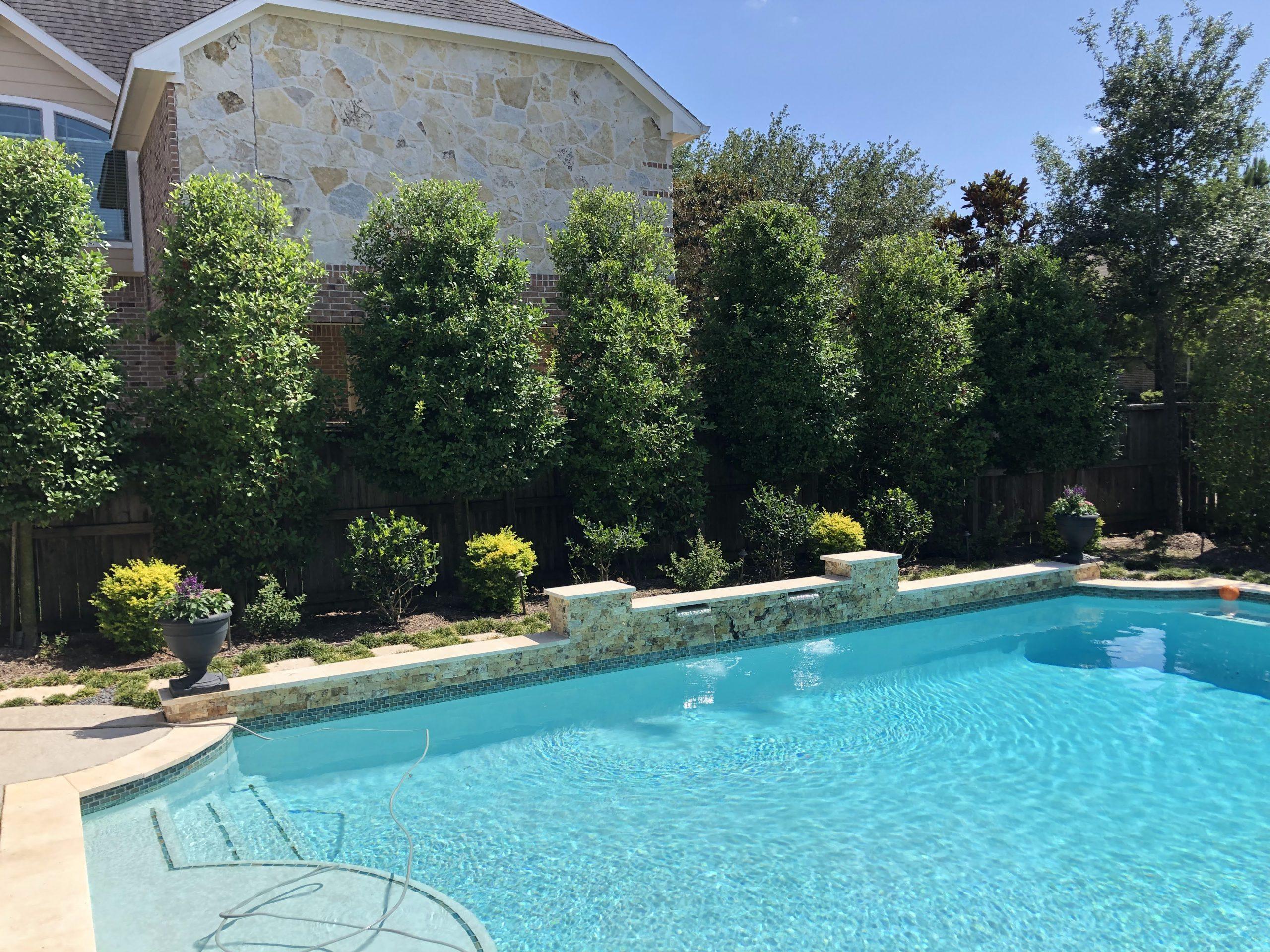
Your backyard can be much more than an area of grass behind your home. With thoughtful planning, it can become a comfortable extension of your indoor living space. It can provide a place for entertaining, relaxing, dining, or simply spending more time outside.
At JMAS Landscaping, we design and build outdoor living spaces in Houston and surrounding communities. We serve homeowners throughout Katy, Fulshear, Richmond, and West Houston. From patios and landscaping to pergolas, lighting, pathways, and pool landscaping, each element can work together to create a complete backyard.
Before starting your project, consider how you want the space to look, feel, and function. These ideas can help you begin planning.
1. Decide How You Want to Use Your Backyard
A successful outdoor living space starts with purpose. Before choosing plants or materials, think about what you actually want to do outside.
Do you want a large area for entertaining family and friends? Perhaps you prefer a quiet space for relaxing near the pool. You may also want separate areas for dining, seating, gardening, and other activities.
Once those priorities are clear, the layout becomes easier to plan. Instead of adding features simply because they look attractive, each part of the backyard can serve a purpose.
This approach also helps prevent overcrowding. You don’t need to fill every part of the property to create an impressive outdoor environment.
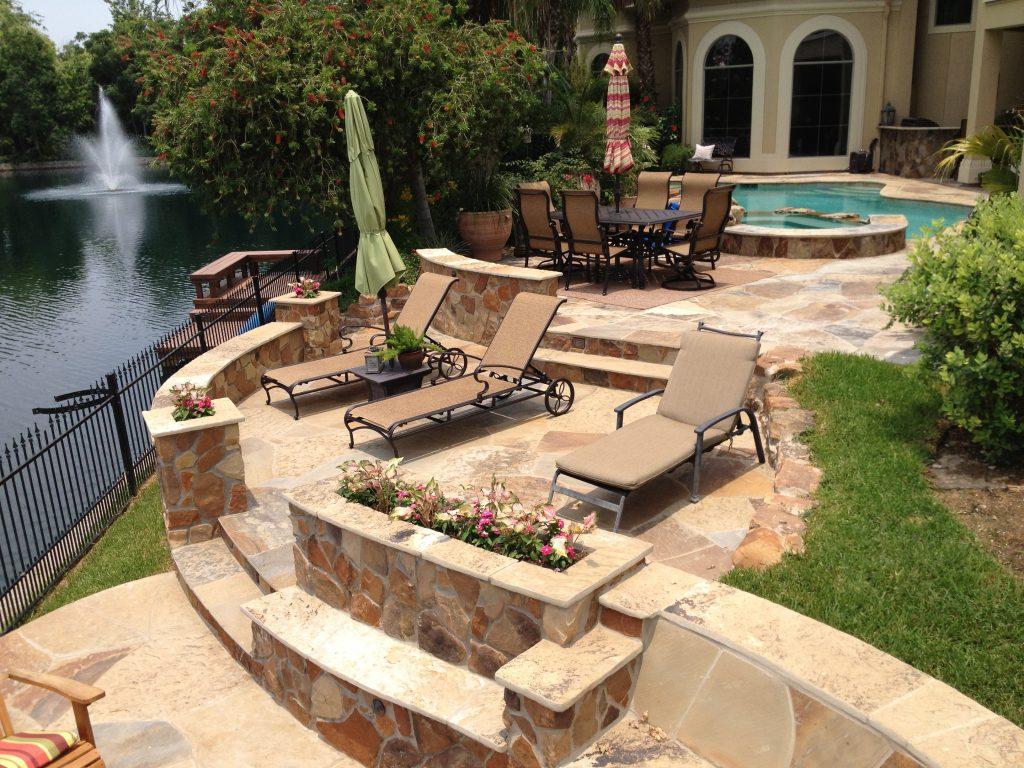
2. Start With a Comfortable Patio
A patio often becomes the foundation of an outdoor living area. It provides a defined surface for seating, dining, entertaining, and everyday use.
However, patio size and placement should be considered carefully. A patio that is too small may limit furniture placement. On the other hand, excessive hardscaping can leave the backyard feeling dominated by stone or concrete.
The materials should also complement your home. Existing brick, stone, exterior colors, and architectural details can help guide the selection.
Surrounding the patio with landscaping can then soften the hard edges. As a result, the space feels more connected to the rest of the yard.
3. Use Landscaping to Define Outdoor Areas
Plants can do much more than decorate the perimeter of a backyard. They can help create structure and separate different outdoor areas.
For example, planting beds can define the edge of a patio. Trees can provide height and help establish a backdrop. Meanwhile, shrubs and ornamental plants can soften fences and create transitions between lawn and hardscape.
Layering different plant heights also creates depth. Evergreen shrubs can provide year-round structure, while ornamental grasses and flowering plants add texture and seasonal interest.
Most importantly, plants should be selected for the actual conditions of the property. Houston’s heat, sunlight, rainfall, and individual irrigation needs should all be considered.
4. Create Shade for Houston Summers
Shade can make an outdoor space much more comfortable during a Houston summer.
Depending on the property, a pergola or other covered structure can help define a seating or dining area. Trees can also provide natural shade as they mature. However, their eventual canopy and root growth should be considered before planting.
Shade can also influence the surrounding landscape. Plants beneath a covered area or mature tree may require different growing conditions from those exposed to full afternoon sun.
Therefore, shade should be considered early in the design process. It can influence everything from patio placement to plant selection.
5. Add Privacy Where You Need It
Privacy is an important consideration for many outdoor living spaces, especially when neighboring homes overlook the backyard.
Instead of surrounding the entire property with a solid wall of identical shrubs, consider the specific areas that need screening. Privacy may be most important around a patio, pool, or seating area.
Trees can help interrupt views from upper-story windows. Evergreen shrubs can provide screening closer to ground level. Additionally, trellises and layered planting can provide privacy where planting space is limited.
Strategic screening allows you to create a more private environment without making the entire backyard feel enclosed.
6. Connect Different Spaces With Walkways
A backyard may include several destinations. Pathways can help connect those areas while adding another design element to the landscape.
For example, a walkway can lead from the patio to the pool or garden. It can also create a cleaner route through a side yard or between outdoor entertaining areas.
The material should relate to the surrounding hardscape and architecture. Stone, pavers, gravel, and other materials can each create a different appearance.
Furthermore, surrounding a walkway with landscaping can soften its edges. This helps the pathway become part of the overall design rather than simply a functional route.
7. Make the Pool Part of the Overall Design
If you have a swimming pool, it will naturally become one of the main features of your backyard. However, the surrounding landscape determines whether the pool feels connected to everything around it.
Planting beds can soften large areas of pool decking. Meanwhile, trees and taller plants can provide scale and privacy. Ornamental grasses, flowering plants, and evergreen shrubs can add color and texture.
Plant selection around pools requires extra attention. Consider debris, mature plant size, maintenance, irrigation, and proximity to pool equipment.
By planning the pool and landscape together, the backyard can feel like one complete outdoor environment.
8. Add Landscape Lighting for Evening Use
A well-designed outdoor living space shouldn’t disappear after sunset. Landscape lighting can extend the use of your backyard while highlighting its best features.
Path lights can provide subtle illumination along walkways. Uplighting can showcase trees and architectural details. Additionally, lighting around patios and planting areas can create depth throughout the backyard.
Pool landscaping can also take on a completely different appearance after dark when surrounding trees and plants are highlighted.
However, more lighting isn’t always better. The goal is to create selected focal points and comfortable illumination rather than making the entire property excessively bright.
9. Consider Irrigation & Drainage
Some of the most important parts of an outdoor living project aren’t the most exciting ones to see.
Adding patios, pathways, flower beds, or other features can affect existing drainage. Therefore, water movement should be considered before major changes are made.
Irrigation may also need to change with the landscape. New planting beds, trees, and hardscaping can affect sprinkler coverage. Some plants may also have different watering requirements from the existing lawn.
Planning irrigation and drainage alongside the visible improvements can help the finished outdoor space function better over time.
10. Create a Design That Complements Your Home
Your backyard doesn’t need to copy the interior of your home. However, the two spaces should feel connected.
Materials, colors, architecture, and scale can help create that relationship. For example, stone used elsewhere on the home may inspire a landscape border or patio material. Clean architectural lines may also influence the shape of planting beds.
The same principle applies to landscaping. A formal home may look best with more structured planting. Meanwhile, another property may benefit from softer beds and more natural plant combinations.
Rather than following a trend, choose a design that feels appropriate for your individual property.
Bring All the Elements Together
One of the biggest advantages of planning a complete outdoor living project is the ability to coordinate different features from the beginning.
A patio can establish the main entertaining area. Landscaping can provide privacy and soften the surrounding hardscape. A pergola can add height and shade, while pathways connect different destinations. Finally, landscape lighting can highlight the finished space after sunset.
Considering these elements together can create a more cohesive result. It also allows irrigation and drainage needs to be addressed before installation is complete.
Transform Your Houston Backyard
Creating a great outdoor living space isn’t about adding every possible feature. It’s about choosing the elements that make your property more comfortable, functional, and attractive.
Start by deciding how you want to use your backyard. Then consider which combination of patios, landscaping, shade, privacy, pathways, pool landscaping, and lighting can support those goals.
JMAS Landscaping provides landscape design and installation, hardscaping, pool landscaping, landscape lighting, irrigation, drainage, and other outdoor improvements throughout Katy, Fulshear, Richmond, and West Houston.
Whether you’re improving one area or planning a complete backyard transformation, contact JMAS Landscaping today to request an estimate for your outdoor living project.