
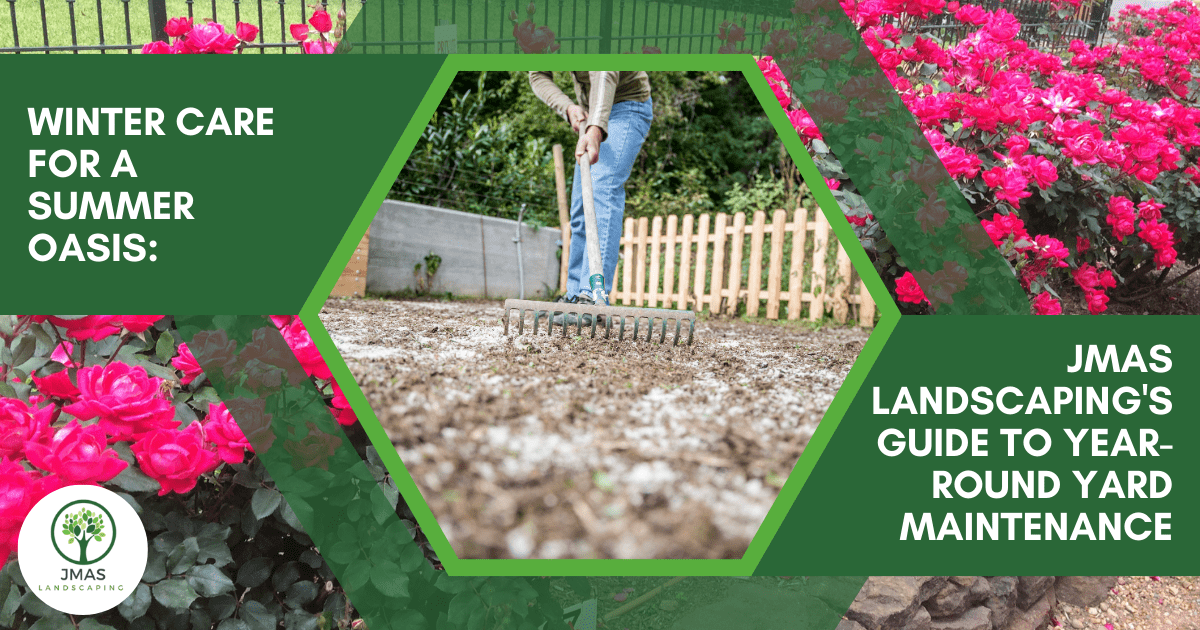
Winter may be quieter in the landscape, but that doesn’t mean your yard should be ignored. In Houston, cooler temperatures provide an opportunity to evaluate your property and prepare for the growing season ahead.
Winter landscape care can include pruning, refreshing mulch, checking irrigation, evaluating drainage, and planning future improvements. It’s also a good time to identify plants or areas that didn’t perform well during the previous year.
At JMAS Landscaping, we help homeowners throughout Katy, Fulshear, Richmond, and West Houston maintain and improve their outdoor spaces. Here are several winter landscaping Houston tips that can help prepare your property for a beautiful spring.
1. Evaluate Trees & Shrubs During Winter
Winter can make it easier to see the overall structure of certain trees and shrubs. With less active growth, problem branches and areas that need attention may become more noticeable.
Pruning can help remove damaged or unwanted growth and improve the overall appearance of selected plants. However, pruning needs vary depending on the species. Not every tree or shrub should be pruned heavily during winter.
This is also a good time to look at how plants have matured within the landscape. Shrubs may have outgrown walkways or windows, while trees may now create more shade than they did several years ago. Identifying these changes can help guide future landscape improvements.
2. Refresh Mulch & Planting Beds
Flower beds can lose definition as mulch breaks down and plants grow beyond their original spaces. Winter provides an opportunity to clean up these areas and evaluate what should stay, move, or change before spring growth begins.
Fresh mulch can give planting beds a cleaner appearance while helping protect the soil and conserve moisture. However, mulch shouldn’t be piled excessively around tree trunks or plant stems. Proper placement is just as important as the amount used.
Additionally, take a look at the overall bed design. If plants have become overcrowded or the landscape feels outdated, winter is a good time to begin planning a larger renovation.
3. Check Your Irrigation System
Your landscape may require less frequent watering during cooler weather, but that doesn’t mean you should forget about irrigation.
Check the system for broken sprinkler heads, leaks, poor coverage, or other visible problems. Also, make sure you’re not continuing to water on the same schedule you used during the hottest part of summer.
Your irrigation needs may have changed as the landscape matured. Trees and shrubs grow larger, while planting beds may expand or change shape. Therefore, an older irrigation layout may eventually need modifications to better support the current landscape.
If you’re planning new landscaping, irrigation should also be considered before installation begins.
4. Pay Attention to Drainage
Winter and early spring rainfall can reveal areas where water doesn’t move properly through your property. After significant rain, look for standing water, erosion, or unusually wet areas that remain long after the rest of the yard has drained.
Pay particular attention around the foundation, planting beds, patios, and low areas of the lawn. These observations can be helpful when planning future landscape improvements.
New patios, walkways, planting beds, borders, and grading changes can also affect how water moves through a yard. As a result, drainage should be considered during the planning stage of a landscape project rather than after installation.
5. Protect Plants When Freezing Weather Is Expected
Houston may have relatively mild winters, but occasional freezes can still damage sensitive landscape plants.
When freezing temperatures are forecast, certain plants may benefit from additional protection. Depending on the plant, this can include covering sensitive material and making sure the soil has appropriate moisture before temperatures drop.
Plant selection can also make a difference over the long term. If your landscape repeatedly suffers significant damage during cold weather, consider incorporating more plants suited to local growing conditions during your next renovation.
A balanced landscape can still include distinctive or tropical-looking plants. However, combining them with hardier material can make recovery after severe weather easier.
6. Look for Areas That Need a New Approach
Winter is a great time to look at your landscape without being distracted by spring flowers or rapid summer growth.
Perhaps an area of grass consistently struggles beneath a mature tree. A flower bed may have become overcrowded, or shrubs may now hide important architectural features. Your backyard may also lack privacy or usable outdoor living areas.
Instead of automatically replacing what isn’t working, consider why the problem keeps occurring. A struggling lawn area might work better as a planting bed or pathway. Likewise, poorly performing plants may simply need varieties better suited to the available sunlight.
Small observations during winter can lead to much better landscape decisions in spring.
7. Start Planning Spring Landscape Projects Early
You don’t need to wait until spring to start thinking about a landscape transformation. Winter can be a great time to decide what you want to change and develop a plan.
Consider your priorities first. You may want stronger curb appeal, new flower beds, more backyard privacy, or improved landscaping around a pool. Alternatively, you may be interested in a patio, walkway, landscape lighting, or a more comprehensive outdoor renovation.
Planning several improvements together can create a more cohesive result. For example, a new patio may affect surrounding planting beds and drainage. New landscaping may also require irrigation modifications or additional lighting.
Thinking about these relationships early can make the overall project more successful.
8. Plan for Year-Round Interest
A well-designed Houston landscape shouldn’t depend entirely on spring and summer flowers to look attractive.
Evergreen shrubs can provide structure throughout the year, while ornamental grasses and other plants add texture. Trees can provide height and scale, and seasonal color can then be used to highlight selected areas.
Hardscape and landscape lighting also contribute when plants aren’t actively blooming. Stone borders can define flower beds, while professionally placed lighting can showcase trees and architectural features after sunset.
By combining permanent structure with seasonal changes, your property can remain attractive throughout the year.
Prepare Your Houston Landscape for the Year Ahead
Winter doesn’t have to be an inactive season for your landscape. Instead, use the cooler months to evaluate what worked during the previous year and identify opportunities for improvement.
Check irrigation and drainage, evaluate trees and shrubs, refresh planting areas, and watch for recurring problem spots. Most importantly, start thinking about the improvements you want to enjoy once warmer weather arrives.
JMAS Landscaping provides landscape design and installation, irrigation, drainage, hardscaping, landscape lighting, pool landscaping, and other outdoor improvements throughout Katy, Fulshear, Richmond, and West Houston.
Whether you’re planning a few updates or a complete landscape transformation, contact JMAS Landscaping today to request an estimate and start planning your next outdoor project.