
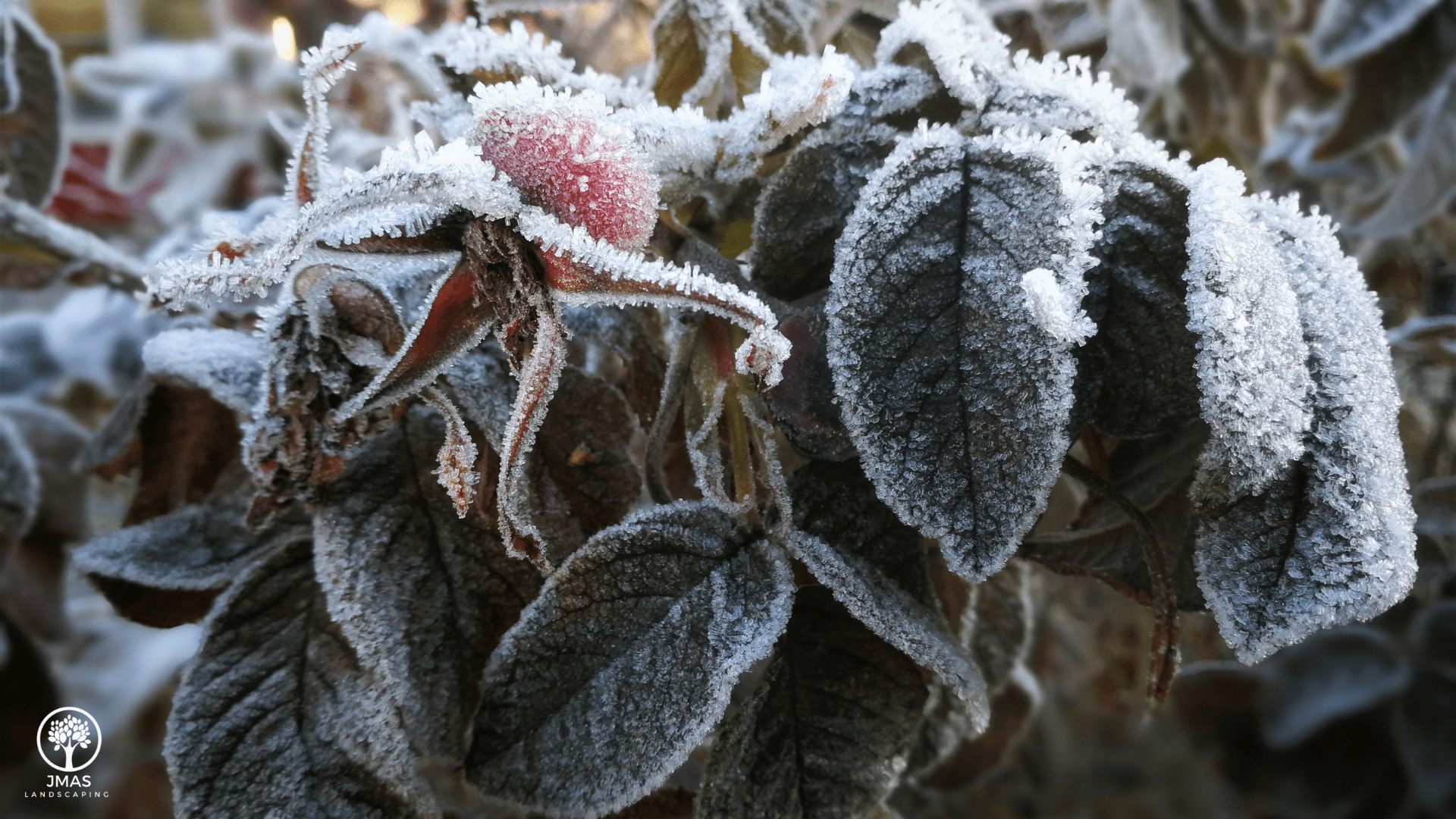
In Texas, we aren’t always accustomed to the extended freezing temperatures we’ve experienced during recent winters. Unfortunately, freezing weather can seriously damage plants, trees, shrubs, palms, and irrigation systems.
If your landscaping looks brown or damaged after a hard freeze, don’t assume everything is dead. Many freeze-damaged plants can recover with a little patience and proper care.
Before you start cutting back or replacing plants, follow these tips to help your landscaping recover after a Texas freeze.
1. Wait Until the Danger of Freezing Weather Has Passed
First, resist the temptation to immediately start pruning your landscaping.
Wait until the danger of another hard freeze has passed before making major decisions about freeze-damaged plants. Damaged foliage can look unsightly, but removing it too soon may expose healthy portions of the plant to additional cold weather.
In the Houston area, temperatures can change quickly during the winter. Therefore, keep an eye on the forecast before beginning major pruning or replacement.
2. Determine the Plant’s Condition
The first step in evaluating freeze-damaged plants is determining how well they survived the cold weather. Fortunately, there are several simple ways to check trees and shrubs for signs of life.
Check smaller branches. Healthy branches should still be somewhat pliable, bendable, or springy. If a small branch snaps easily when gently bent, that portion of the plant may have suffered freeze damage.
Look at the leaves. Freeze-damaged leaves will often fall naturally if the branches underneath remain healthy. However, a branch that continues to hold dead leaves may have suffered more extensive damage.
Certain oak trees are an exception because they can hold dead leaves until new spring growth pushes the old leaves away. Therefore, it is important to know what type of tree you’re evaluating.
Try the scratch test. Lightly scratch the bark near the tip of a branch. If you don’t see green underneath, gradually work your way toward the center of the plant, making a small scratch every foot or so.
The sooner you find healthy green tissue, the better. If you have to move significantly farther down the branch before finding green, the freeze damage is likely more extensive.
3. Give Freeze-Damaged Plants Time to Recover
Sometimes plant freeze damage doesn’t reveal itself immediately. Patience can make a big difference when determining whether a plant needs pruning or replacement.
As plants begin producing new growth over the following weeks, you’ll get a much better idea of how extensive the damage actually is. If the tips of a plant don’t produce new leaves, you can then determine how far back the plant needs to be pruned.
Plants protected from direct cold winds or located close to your home may have survived even when they initially appear dead.
Give questionable plants several weeks of consistently warmer weather before making a final decision. If temperatures have remained above approximately 50°F for several weeks and you’re seeing no signs of new growth, it may be time to consider replacement.
4. Remove Mushy or Rotting Plant Material
While you generally want to wait before aggressively pruning freeze-damaged plants, mushy or rotting vegetation is different.
Soft, wet, or decomposing plant material can encourage disease and should be removed.
Remove wet and mushy foliage as soon as possible, while leaving healthy portions of the plant intact.
Don’t remove the entire plant unless it is completely damaged.
Agaves and aloes may recover from their roots. However, depending on the amount of damage and size of the plant, recovery can be slow.
Some agaves, aloes, and cacti can take a year or longer to fully recover from severe freeze damage.
With palms, patience is especially important. New growth may take weeks to appear from the center of the palm.
Avoid making a quick decision based solely on how bad a plant looks immediately following a freeze.
5. Replace Plants That Didn’t Survive the Freeze
Once you’re confident that a plant didn’t survive, you can begin planning its replacement.
However, don’t rush to install tender new plants while another hard freeze is still possible.
In the Houston, Katy, and Fulshear areas, our planting season begins earlier than it does in many parts of the country. Even so, watch the extended forecast before replacing tender annuals or other cold-sensitive plants.
Trees, shrubs, evergreens, and other hardy landscape plants generally provide a wider planting window.
When replacing freeze-damaged landscaping, it can also be a good opportunity to reconsider your plant selections. Choosing plants that are well suited to the Houston climate may help create a more resilient landscape for future temperature extremes.
6. Water and Fertilize Recovering Plants Carefully
Before fertilizing, make sure your stressed plants are properly hydrated.
When watering plants after a freeze, remember that the goal is to water them, not drown them. A moderate amount of water can go a long way.
Water the soil around the plant rather than the foliage. This delivers moisture directly to the root zone and helps the soil retain heat.
Once your plants show signs of recovery, you can consider fertilizing. However, keep these three tips in mind:
Wait until the threat of another freeze has passed. Fertilizer can encourage new growth, which may be particularly vulnerable to another cold snap.
Avoid high-nitrogen fertilizers. Products with formulas such as 28-3-10 or 24-0-0 are designed to encourage rapid top growth. This may place additional stress on an already weakened plant.
Choose a balanced fertilizer. A mild, balanced fertilizer may be more appropriate for recovering plants. Granular, slow-release products can also provide nutrients gradually rather than encouraging a sudden burst of growth.
Most importantly, don’t assume that fertilizer will immediately repair freeze-damaged plants. Give plants time to recover and begin actively growing again.
7. Check Your Irrigation System for Freeze Damage
Your plants aren’t the only parts of your landscape that can be damaged by freezing temperatures.
After a hard freeze, inspect your irrigation system for leaks or damaged components. Backflow prevention devices and exposed irrigation components can crack when water freezes and expands.
It’s a good idea to make sure your irrigation system is operating properly before the spring growing season begins. This is especially important if you’re installing replacement plants or helping existing landscaping recover.
Need Help With Freeze-Damaged Landscaping?
Unfortunately, nothing can completely undo severe damage caused by a Texas freeze. However, patience and proper care can help many freeze-damaged plants recover.
If you’re unsure which plants can be saved or you’re ready to replace damaged landscaping, JMAS Landscaping can help.
We provide professional landscaping services throughout Katy, Fulshear, Richmond, and surrounding West Houston communities. Our team can assess damaged landscaping, recommend replacement plants, update landscape beds, and help prepare your property for the upcoming growing season.
Contact JMAS Landscaping today to schedule a landscape consultation and get your yard ready for spring.